
Why Treatment Matters
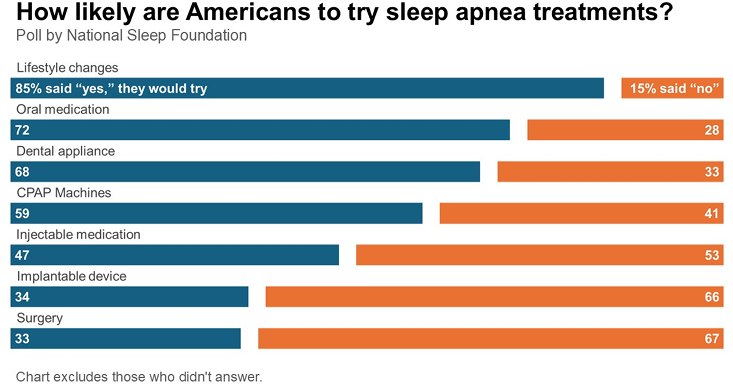
Millions of adults may be living with sleep apnea without realizing it. Approximately 29 million undiagnosed adults suspect they have sleep apnea, and nearly 1 in 3 people diagnosed with sleep apnea are not currently receiving treatment.
The good news is that sleep apnea is a highly treatable condition. Understanding the available treatment options can help you find a solution that fits your lifestyle, symptoms, and individual needs.
Explore the therapies below to learn how each treatment works and who may benefit most.
-
PAP Therapy
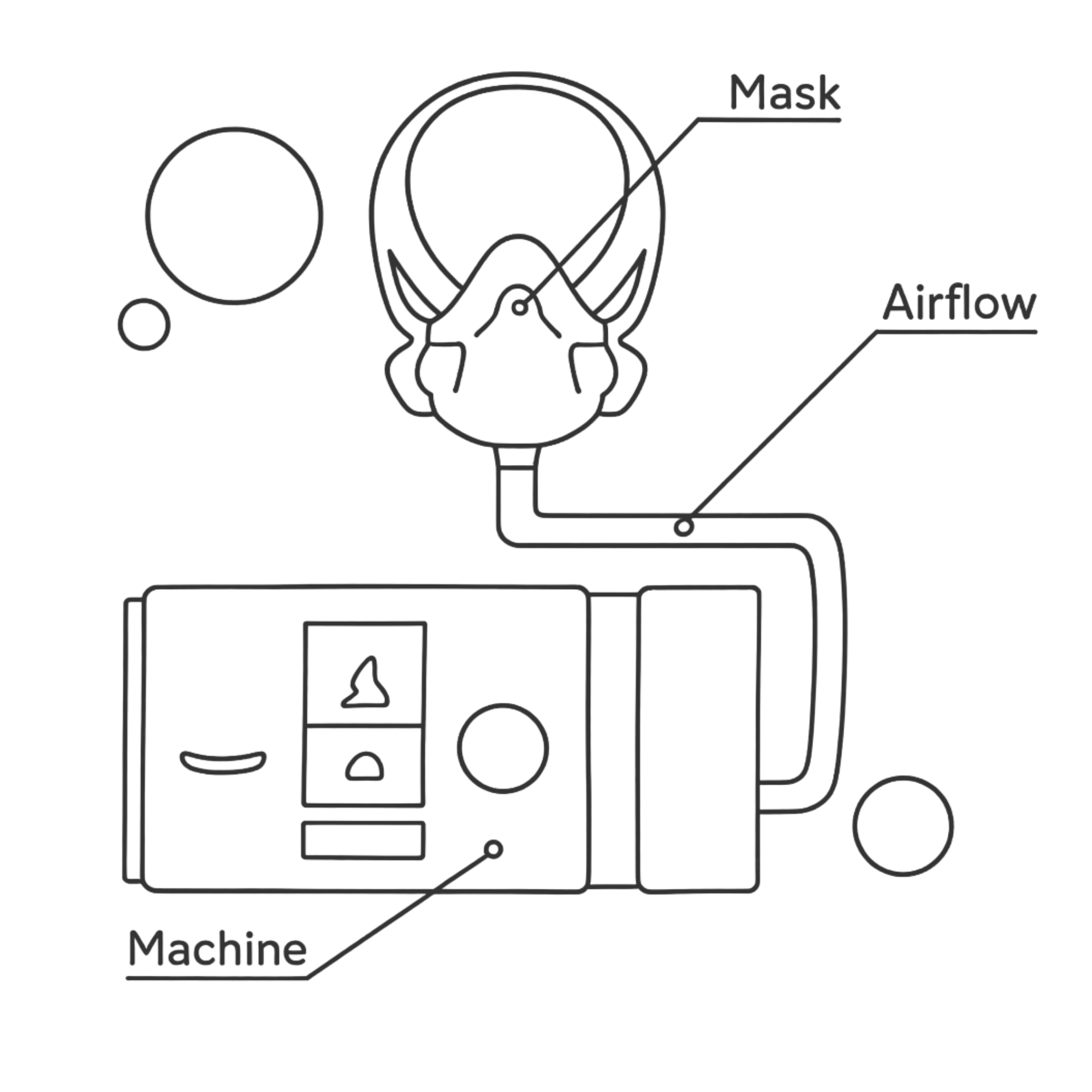
Positive Airway Pressure (PAP) therapy uses gentle airflow to keep the airway open during sleep, preventing breathing interruptions. Common options, like CPAP, APAP, and B-PAP, can be tailored to a patient's individual needs and comfort preferences.
-
Oral Therapies
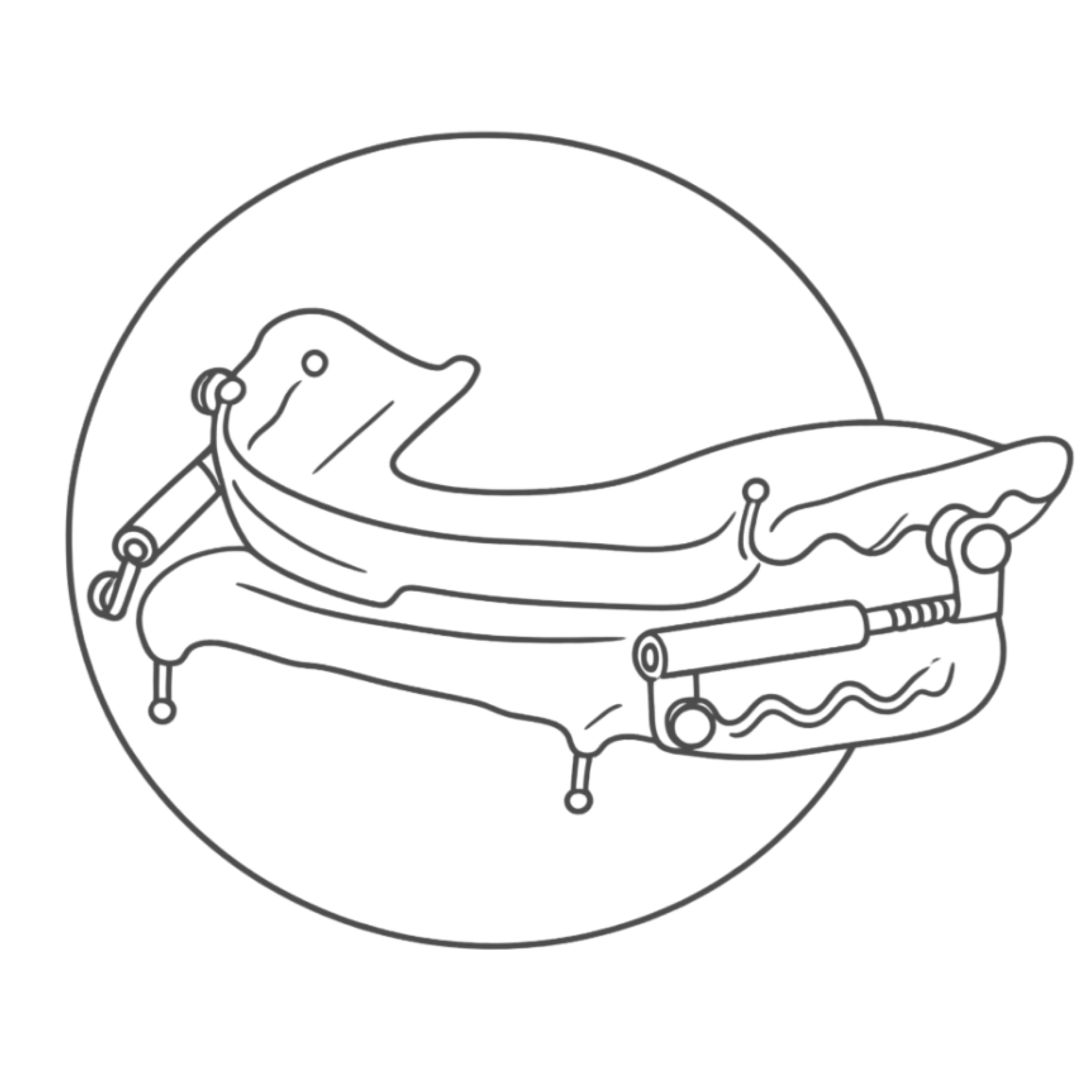
Oral appliance therapy uses custom-made devices worn during sleep to help maintain an open airway by repositioning the jaw or tongue. Options like mandibular advancement devices (MADs) offer a comfortable, portable alternative for many patients with sleep apnea.
-
Surgery
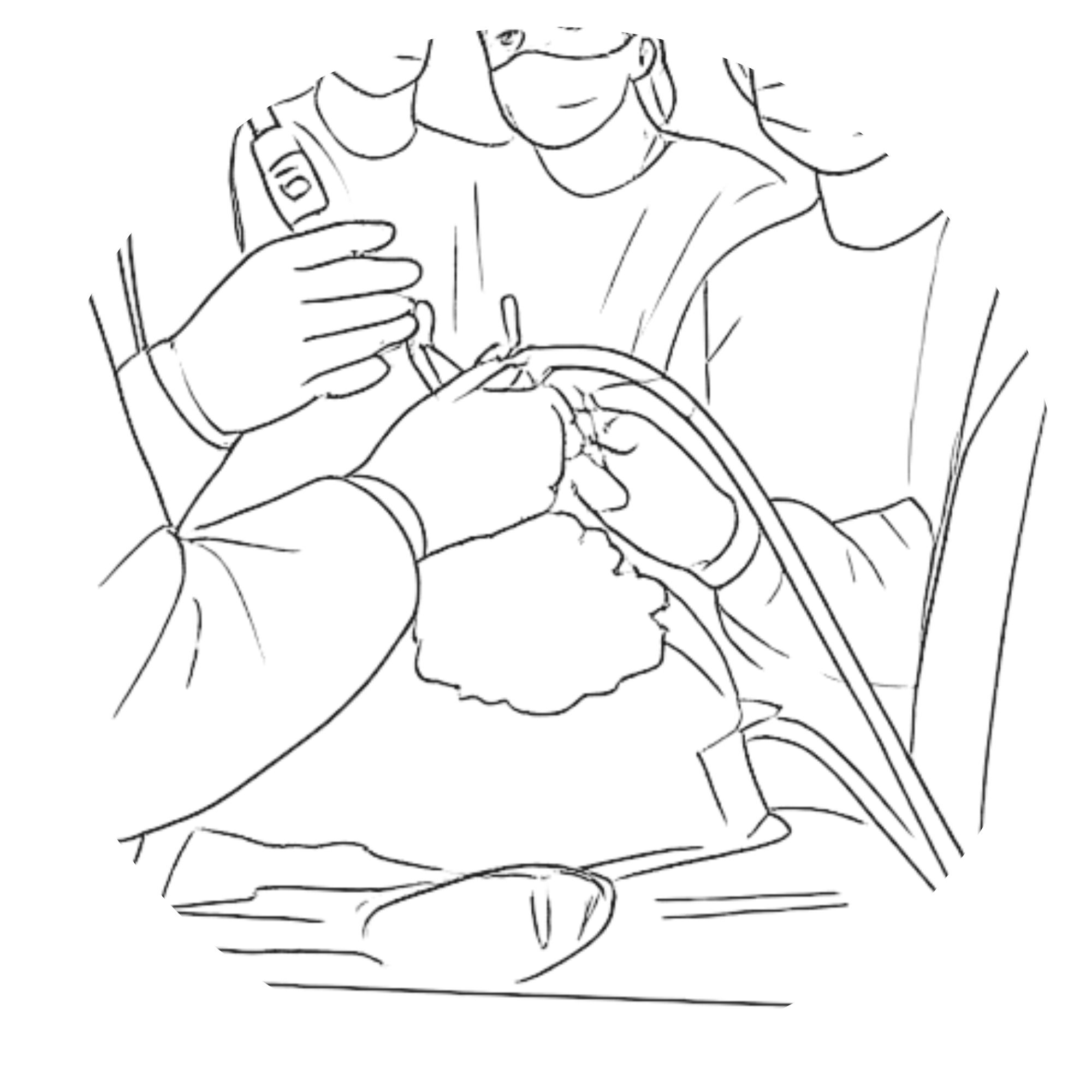
Surgical treatments address structural factors that contribute to airway obstruction, such as excess tissue, enlarged tonsils, or jaw positioning. Procedures like uvulopalatopharyngoplasty (UPPP), and maxillomandibular advancement (MMA) may be recommended when other therapies are ineffective or unsuitable.
-
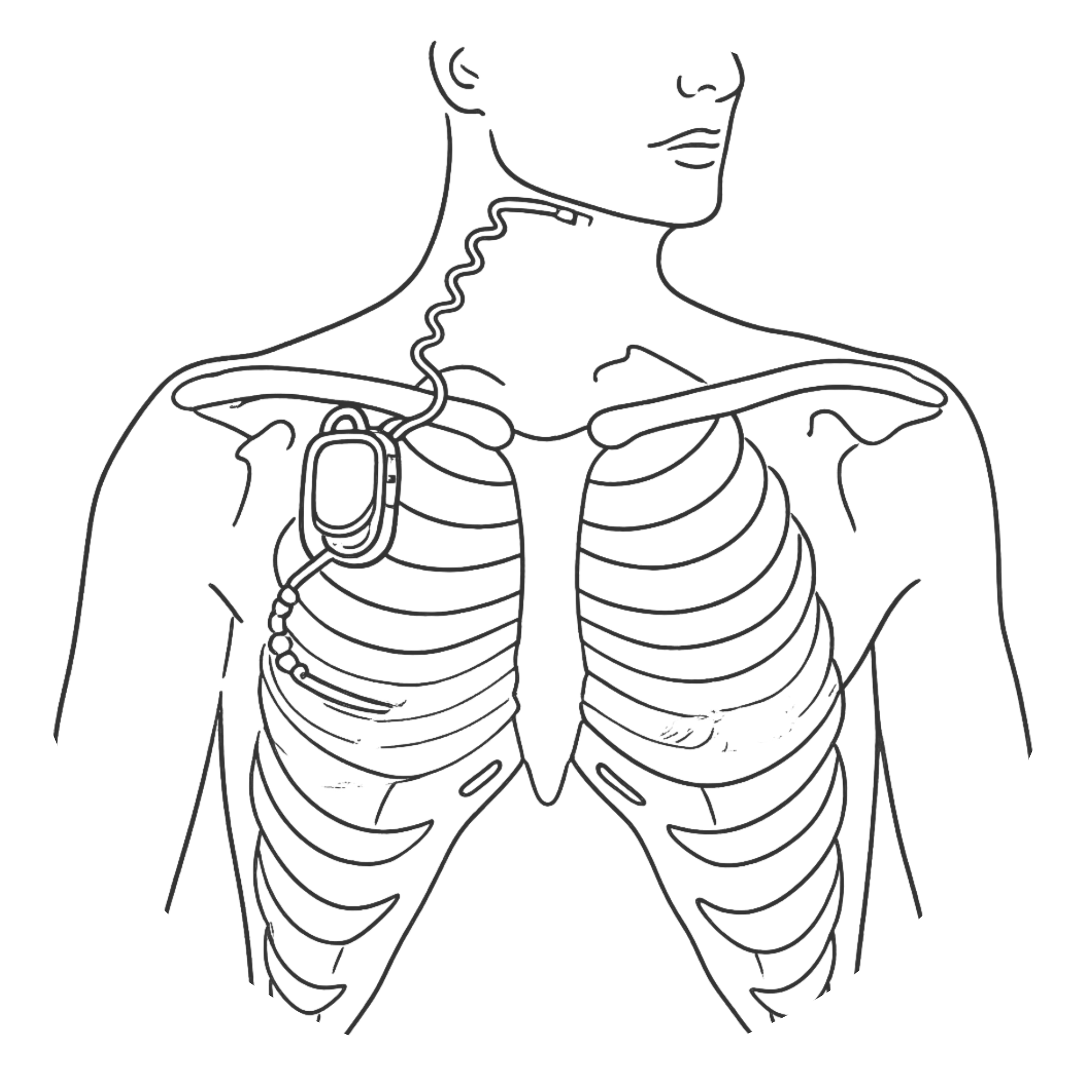
Implantable Therapies
Implantable therapies use advanced technology to help maintain an open airway during sleep. Options like upper airway stimulation provide an alternative for select patients who have not found success with traditional treatments.
-

Lifestyle Changes
Lifestyle changes can help reduce the severity of sleep apnea and improve overall health. Strategies like weight management, exercise, positional therapy, and limiting alcohol consumption are often important parts of a successful treatment plan.
-
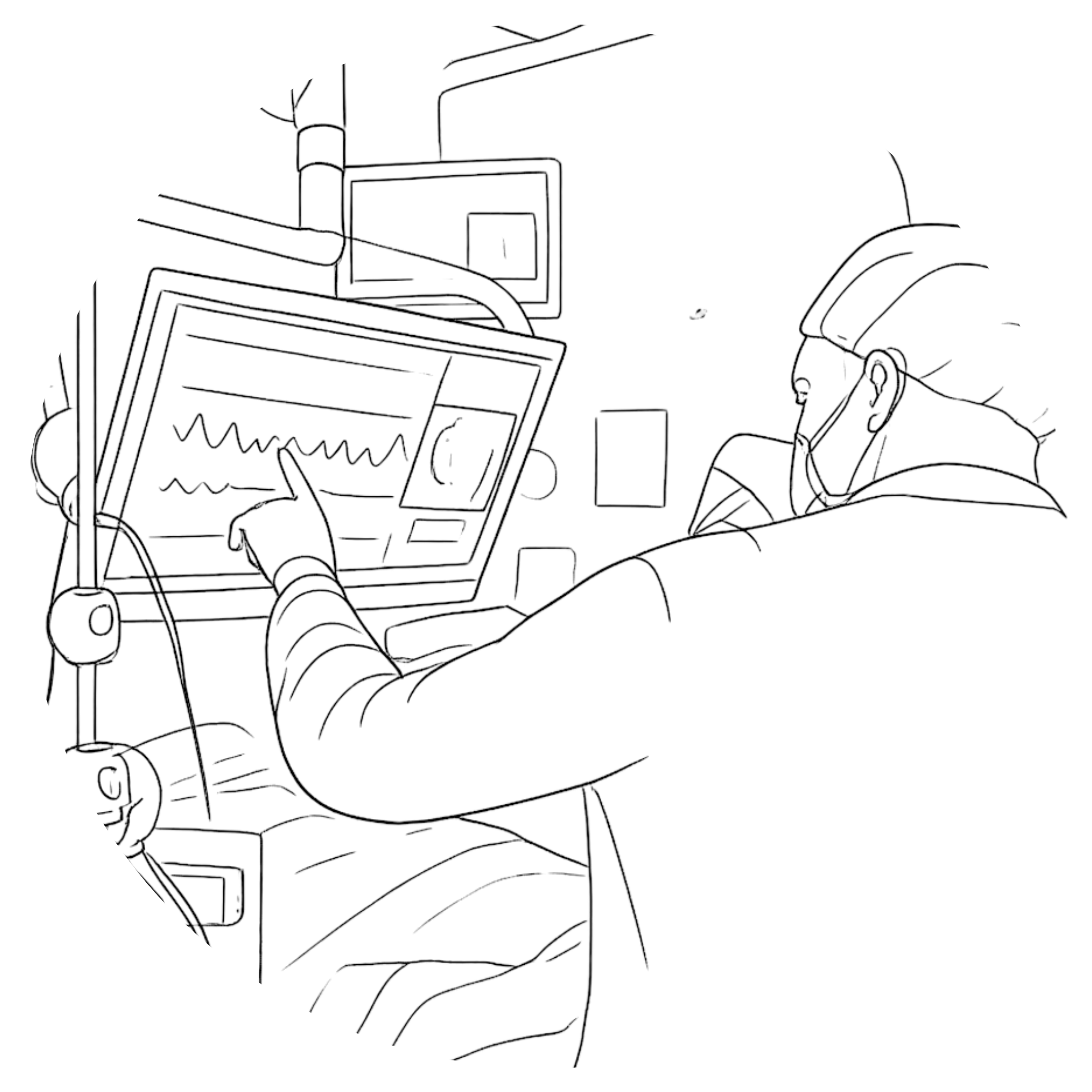
Alternative & Emerging Therapies
Some patients may benefit from complementary approaches that target specific causes of sleep apnea or enhance primary treatments.